Dry Needle in St. George
Discover fast, effective relief from muscle pain, tension, and movement restrictions with Dry Needling Therapy at Move Better Clinic in St. George, Utah. Dr. David Cook provides evidence-based dry needling techniques designed to release trigger points, improve mobility, and support long-term healing.
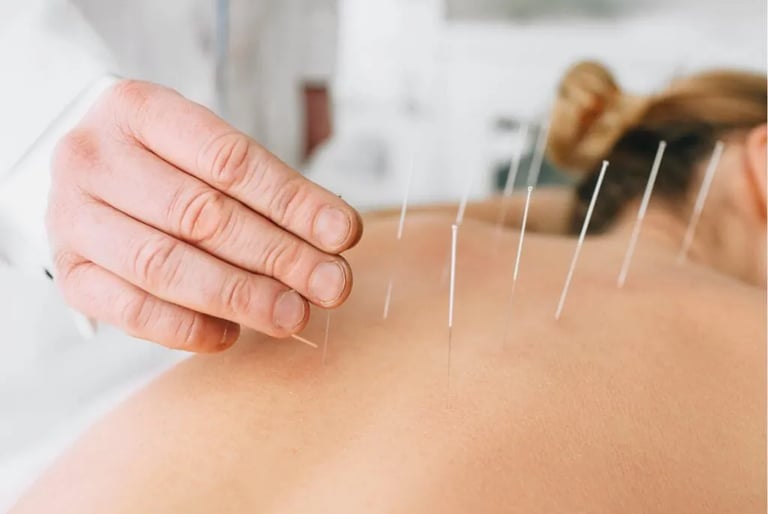
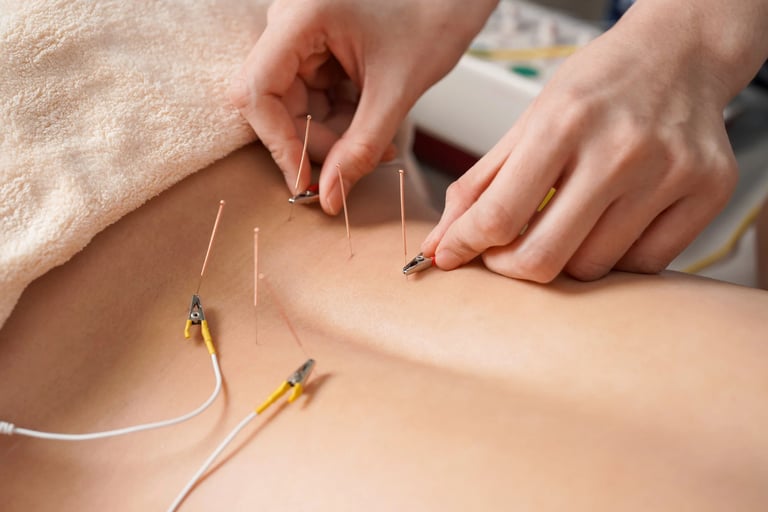
Dry needling is a therapeutic technique that uses thin, sterile, single-use monofilament needles inserted into tight muscles or myofascial trigger points. These areas—commonly known as “knots”—can cause pain, restrict movement, and create referred pain patterns throughout the body.
Dry needling works by:
Releasing muscle tension
Decreasing pain and inflammation
Restoring proper movement patterns
Stimulating local blood flow and tissue repair
Resetting dysfunctional neuromuscular activity
Although often confused with acupuncture, dry needling is a modern, science-based musculoskeletal therapy, rooted in Western medical and anatomical principles.
Muscle Pain & Trigger Points
Neck pain
Shoulder pain
Low back pain
Hip and glute pain
Leg, calf, and foot pain
Sports Injuries & Overuse Conditions
Tendinitis / tendinopathy
IT band syndrome
Plantar fasciitis
Shin splints
Rotator cuff dysfunction
Joint-Related Pain
Knee pain
Elbow pain
TMJ / jaw pain
Post-Injury or Post-Surgical Muscle Tightness
Scar-tissue adhesions
Limited range of motion
Chronic muscle guarding
Headache & Nerve-Related Pain
Tension headaches
Migraines with muscle involvement
Sciatica-type symptoms related to muscle trigger points
If your pain has a muscular origin—or if you feel tight, knotted, restricted, or stuck—dry needling may be an excellent solution.
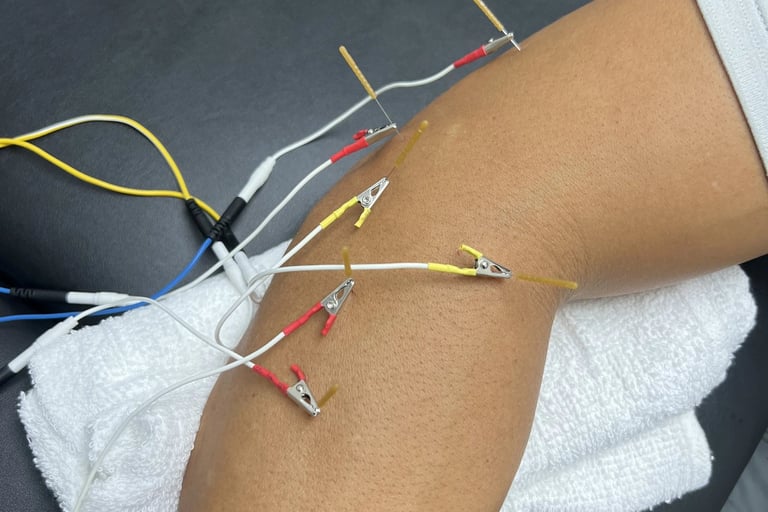
Frequently Asked Questions
Does dry needling hurt?
Most patients feel a quick “twitch” or deep ache when the needle hits a trigger point. The sensation lasts seconds and is typically very tolerable.
Is Dry Needling Safe?
When performed by a licensed and trained clinician such as Dr. David Cook, dry needling is considered very safe.
Safety features include:
Use of clean, sterile, single-use needles
Thorough anatomical training and certification
Minimal downtime after treatment
Typically mild post-treatment soreness that resolves within 24–48 hours
Is dry needling the same as acupuncture?
No. While both use fine needles, dry needling focuses on releasing muscular trigger points based on Western anatomy and neuromuscular science.
How long does a dry needling session take?
Most treatments take 10–20 minutes and are often combined with chiropractic care, soft tissue therapy, or corrective exercises.
How many sessions will I need?
Many patients feel improvement after the first visit. Chronic or long-standing problems may require multiple treatments over several weeks.
Is there downtime after treatment?
You may experience mild soreness similar to post-workout muscle fatigue. Most patients return to normal activity the same day.
Is dry needling covered by insurance?
No, however HSA (Health Savings Accounts) and FSH (Flex Spending Account) often can be used. Our self pay rates are very affordable.